


The physical therapy profession is undergoing a profound transformation. Rapid technological advancements, shifting patient expectations, and evolving healthcare models are transforming how rehabilitation is delivered and evaluated. As we move into 2026, physical therapists are no longer relying solely on observation and experience; data, digital tools, and outcome-driven care models increasingly support them.
Understanding the physical therapy trends in 2026 is essential for clinics, practitioners, and healthcare organizations looking to stay competitive and deliver high-quality, patient-centered care. From artificial intelligence and wearable sensors to hybrid care models and value-based rehabilitation, these trends are reshaping both clinical practice and the role of the physical therapist.
This article explores the top 10 physical therapy trends in 2026, highlighting the innovations and practice shifts that will define the future of rehabilitation. Whether you are a physical therapist, clinic owner, or healthcare decision-maker, these insights will help you anticipate change, adapt your practice, and prepare for the next generation of rehabilitation care.
CONTENTS
1- Artificial Intelligence Becomes a Practical Tool in Physical Therapy
2- Hybrid Care Models Become the New Standard
3- Wearables and Sensor-Based Rehabilitation
4- Virtual Reality and Augmented Reality in Physical Therapy
5- Robotics and Assistive Technologies in Rehabilitation
6- Point-of-Care Ultrasound (POCUS) in Physical Therapy
7- Value-Based Care and Outcome Measurement
8- Specialization and Interdisciplinary Collaboration
9- Continuing Education Through Webinars, Podcasts, and Professional Events
10- New Skills and Evolving Roles for Physical Therapists
11- FAQ: Physical Therapy Trends in 2026
12- Conclusion
1- Artificial Intelligence Becomes a Practical Tool in Physical Therapy
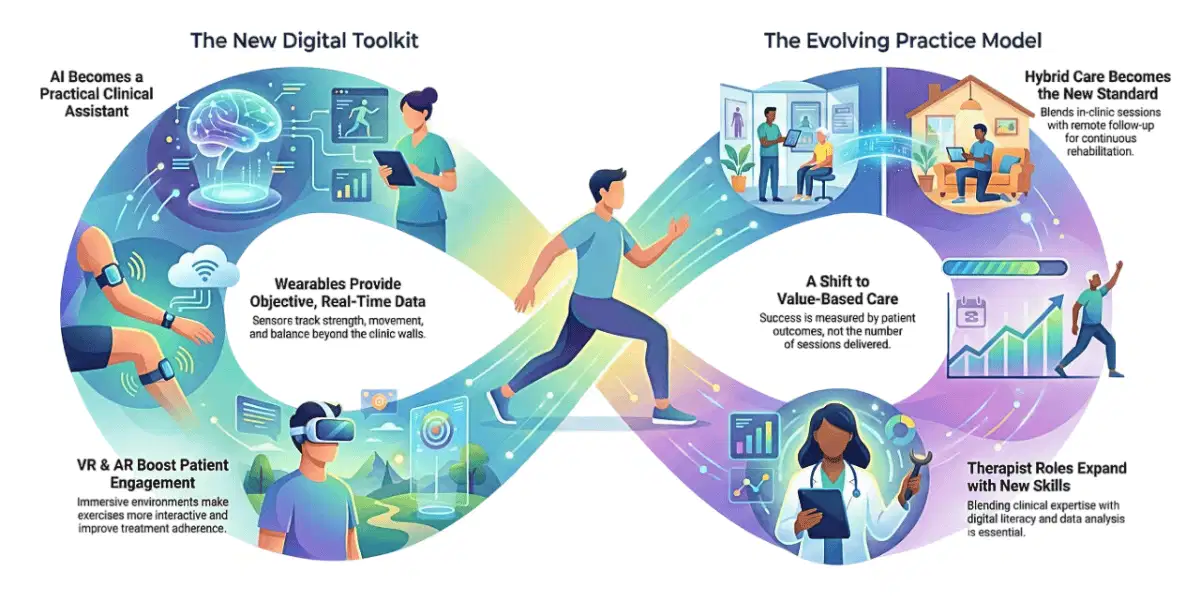
Artificial intelligence (AI) is becoming a practical tool that supports therapists in their everyday clinical work.
Rather than replacing physical therapists, AI helps them analyze movement and patient data more quickly and objectively. For example, AI-powered systems can assess range of motion, posture, or movement quality using cameras or sensors. This reduces reliance on visual estimation alone and provides measurable insights that support clinical decision-making.
AI is also increasingly used to identify patterns in patient progress. By analyzing large amounts of data over time, these tools can help therapists adjust treatment plans, spot early signs of stagnation or compensation, and better tailor rehabilitation programs to each patient.
As part of the broader physical therapy trends in 2026, artificial intelligence is best seen as a clinical assistant. It enhances precision, saves time, and allows therapists to focus more on what matters most: patient interaction, education, and high-quality care.
💡 As AI and data-driven tools become more widely used in physical therapy, patient data privacy and security are becoming critical concerns. To explore this topic further and know how to integrate AI responsibly, read our article on Patient Data Privacy and Security: A Core Challenge of AI and Data Management in Physical Therapy.
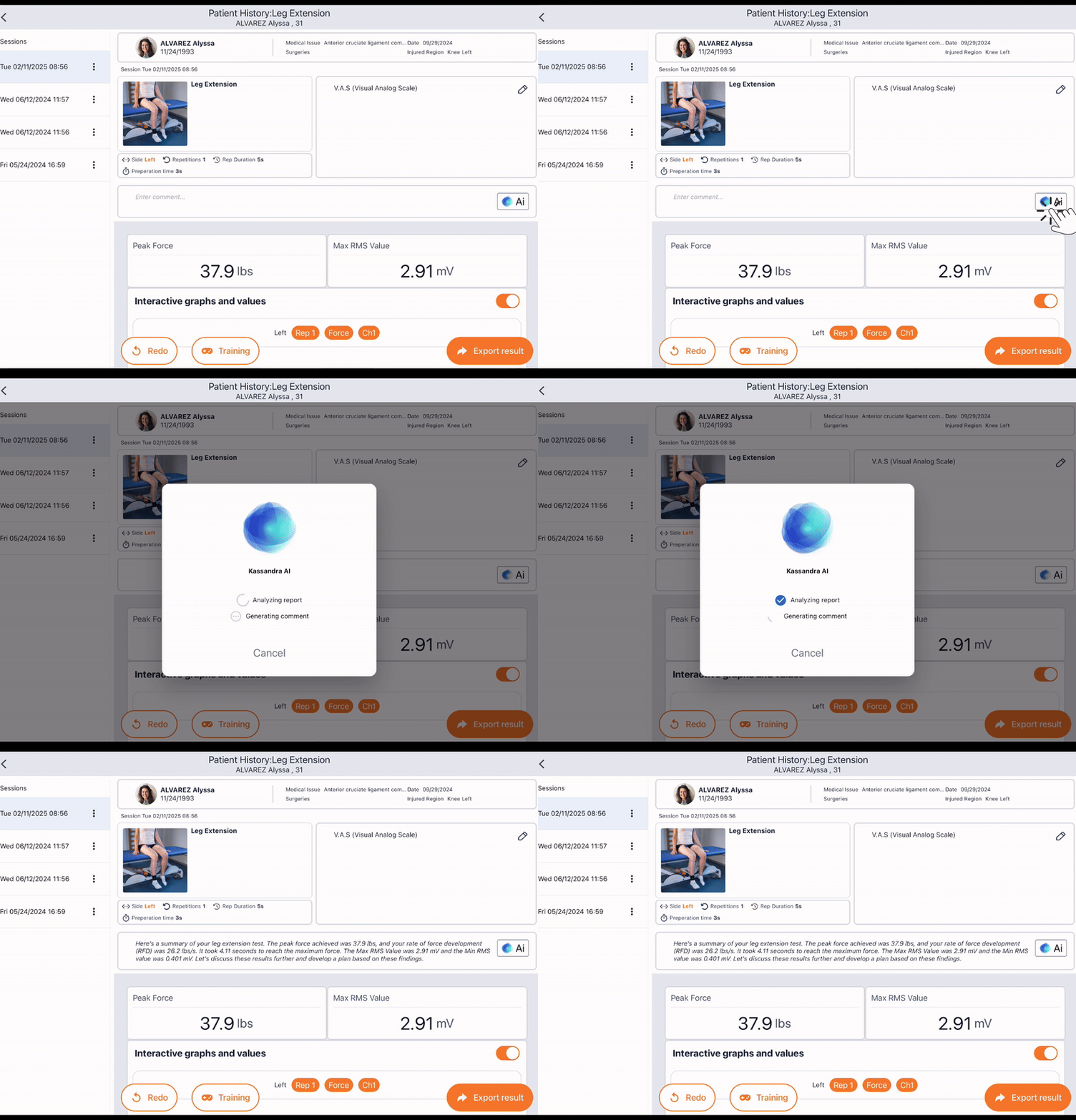
AI-based solutions such as Flok, Physio-IAssist, or Kassandra AI in the Kinvent app are already helping physical therapists analyze movement patterns, support functional assessments, automate report analysis, and better understand patient progress over time.
2- Hybrid Care Models Become the New Standard
In 2026, physical therapy is no longer limited to the treatment room. One of the most important physical therapy trends in 2026 is the rise of hybrid care models, combining in-clinic sessions with remote follow-up and tele-rehabilitation.

Rather than choosing between in-person and remote care, therapists now blend both approaches. Initial assessments, key treatment phases, and manual therapy are typically performed in the clinic, while exercise programs, progress tracking, and patient education can continue remotely. This creates a more flexible and continuous rehabilitation experience.
Hybrid care models help patients stay engaged between appointments. With guided exercises, reminders, and feedback outside the clinic, patients are more likely to follow their program consistently. This is especially valuable for people with busy schedules, mobility limitations, or long-term rehabilitation needs.
For physical therapists, hybrid care improves efficiency without compromising care quality. It allows better use of clinical time while maintaining regular contact with patients. As rehabilitation becomes more connected and patient-centered, hybrid care is quickly becoming the new standard in modern physical therapy.
3- Wearables and Sensor-Based Rehabilitation
Wearable technology and connected sensors are playing an increasingly important role in rehabilitation. As one of the key physical therapy trends in 2026, these tools help therapists move beyond subjective observation and rely on objective, measurable data.
Wearables and sensor-based devices can track strength, movement, balance, and mobility in real time. They allow physical therapists to see how patients perform exercises not only in the clinic, but also in their daily environment. This provides a more accurate picture of functional progress and recovery.
By using sensor-based data, therapists can identify compensations, monitor asymmetries, and adjust treatment programs more precisely. Patients also benefit from clearer feedback, which helps them better understand their progress and stay motivated throughout their rehabilitation journey.
Solutions like Kinvent’s connected sensors help therapists assess performance, track progress over time, and better understand how patients respond to rehabilitation programs.
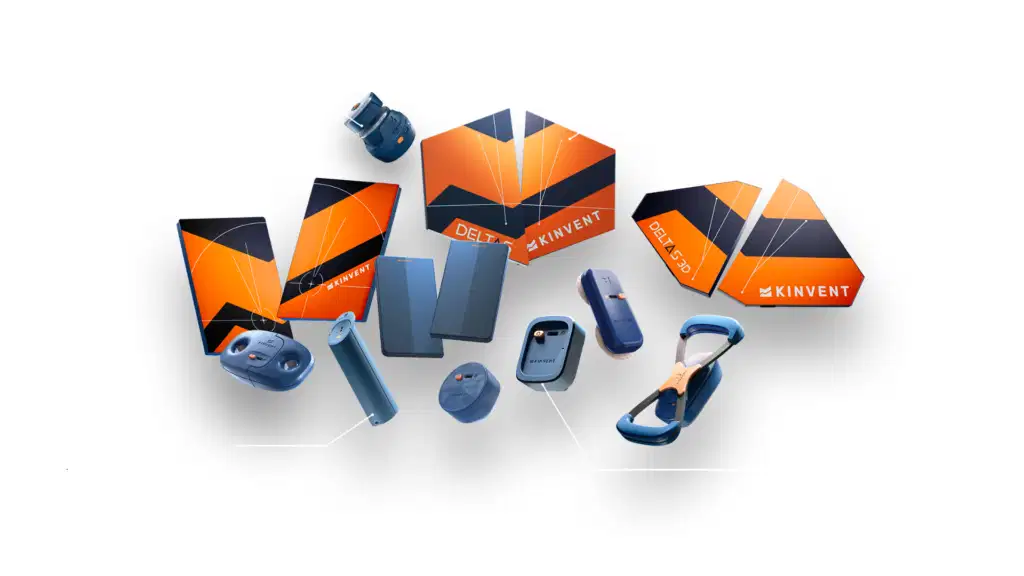
In 2026, wearables and sensors are not just technology add-ons. They are becoming essential tools for delivering more personalized, data-driven, and effective physical therapy care.
4- Virtual Reality and Augmented Reality in Physical Therapy
Virtual reality (VR) and augmented reality (AR) are becoming more visible in physical therapy practice. In 2026, these technologies will no longer be limited to research or pilot projects; they will be increasingly used as therapeutic tools to improve patient engagement and treatment outcomes.
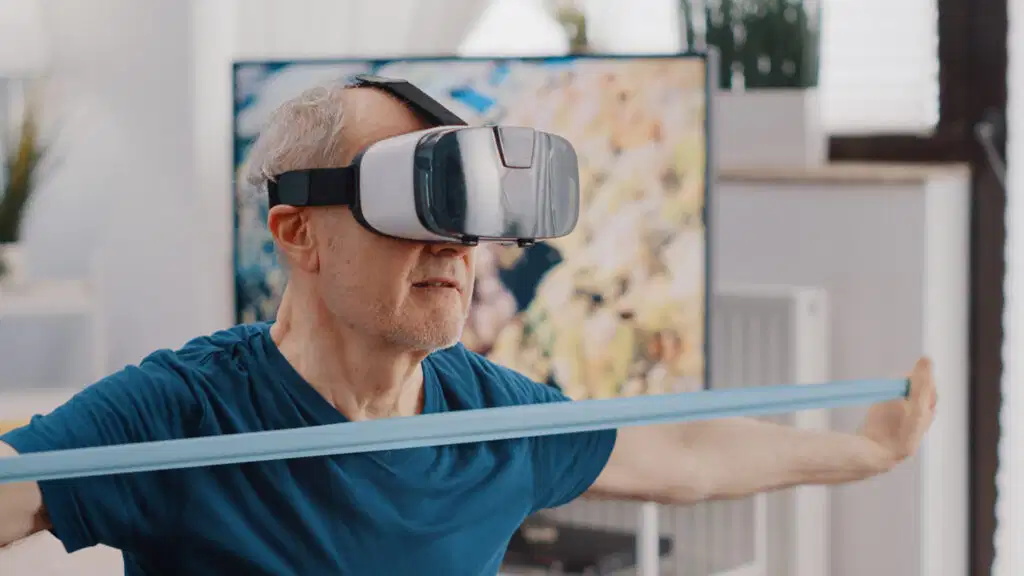
VR and AR create immersive or interactive environments that guide patients through exercises in a more engaging way. Instead of repeating the same movements, patients can perform tasks within virtual scenarios that stimulate motivation, attention, and coordination. This is particularly useful in neurological rehabilitation, balance training, and chronic pain management.
One of the main benefits of VR and AR in physical therapy is improved adherence. When exercises feel more interactive and meaningful, patients are more likely to stay consistent with their rehabilitation program. Therapists can also adjust difficulty levels and track performance to match each patient’s abilities and progress.
As part of the broader physical therapy trends in 2026, virtual and augmented reality are helping transform rehabilitation into a more engaging, patient-centered experience, while still supporting clinical goals and functional recovery.
5- Robotics and Assistive Technologies in Rehabilitation
Robotics and assistive technologies are gaining traction in physical therapy, particularly for patients who require more care with different pathologies. In 2026, these tools are becoming more integrated into clinical practice, especially in neurological and post-surgical rehabilitation settings.
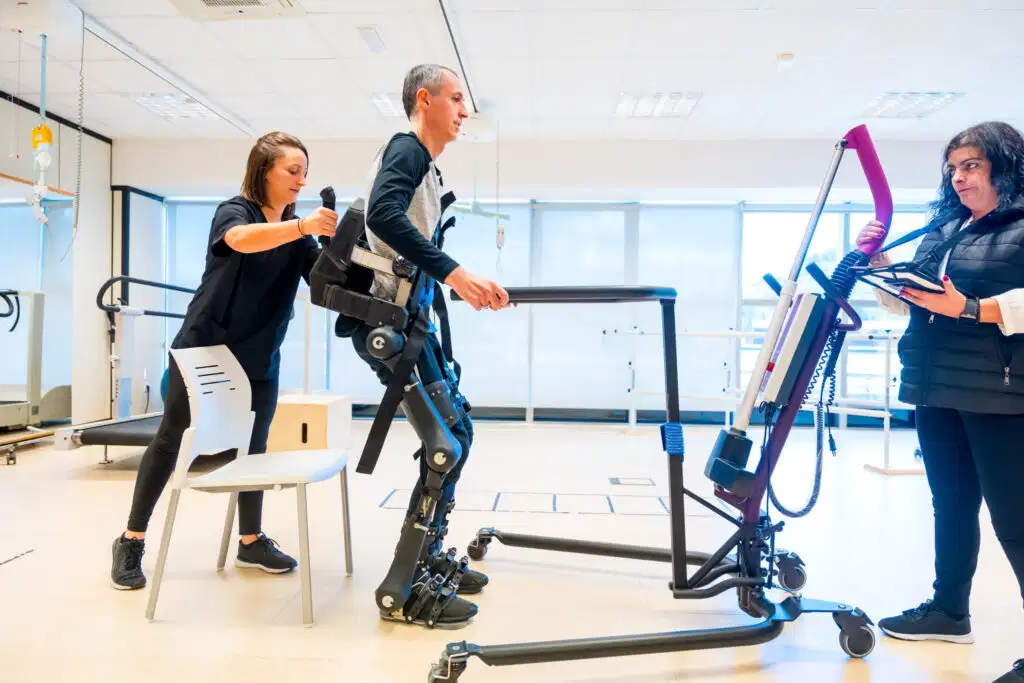
Robotic devices and assistive systems can help guide movement, support body weight, or provide consistent resistance during exercises. This allows patients to perform a higher number of repetitions with proper movement patterns, which is essential for motor learning and recovery, especially after conditions such as stroke or spinal cord injury.
For physical therapists, robotic technologies are not about automation, but about support. They help reduce physical strain during demanding sessions and allow therapists to focus on clinical supervision, progression, and patient feedback. Treatment parameters can be adjusted to match each patient’s abilities and recovery stage.
As part of the evolving physical therapy trends in 2026, robotics and assistive technologies are expanding the possibilities of rehabilitation by combining human expertise with technology-driven precision and consistency.
6- Point-of-Care Ultrasound (POCUS) in Physical Therapy
Point-of-care ultrasound (POCUS) is becoming an increasingly valuable tool in physical therapy. In 2026, more therapists are using ultrasound directly in the clinic to support assessment and clinical reasoning, rather than relying solely on external imaging reports.
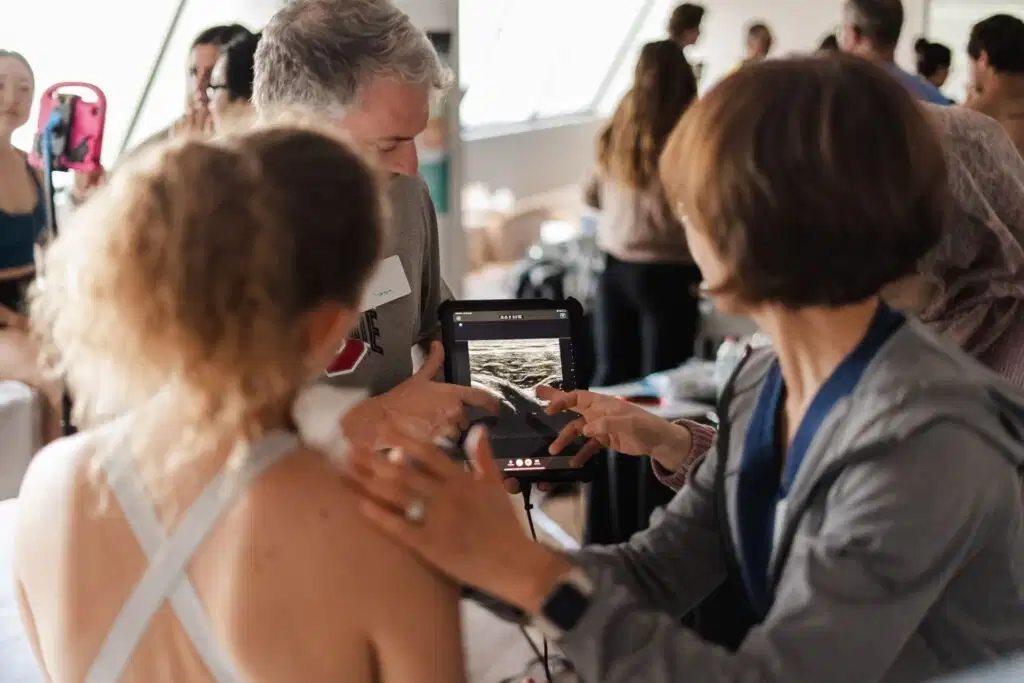
POCUS allows physical therapists to visualize muscles, tendons, and soft tissues in real time and during movement. This helps improve understanding of tissue behavior, muscle activation, and potential dysfunctions, making assessments more precise and relevant to functional tasks.
Used alongside clinical examination, ultrasound supports more informed treatment decisions and clearer patient education. Seeing what is happening inside the body can also help patients better understand their condition and engage more actively in their rehabilitation.
As part of the broader physical therapy trends in 2026, point-of-care ultrasound is reinforcing the role of physical therapists as skilled movement and function experts, while enhancing assessment accuracy and clinical confidence.
7- Value-Based Care and Outcome Measurement
In 2026, physical therapy is increasingly focused on results rather than volume. One of the key physical therapy trends in 2026 is the shift toward value-based care, where treatment success is measured by patient outcomes instead of the number of sessions delivered.
This approach encourages physical therapists to track functional improvements using objective and standardized measures. Strength, mobility, balance, and performance data help demonstrate the real impact of rehabilitation and support more transparent communication with patients and healthcare partners.
Outcome measurement also helps therapists refine their treatment strategies. By clearly seeing what works and what does not, clinicians can adapt programs more efficiently and deliver more personalized care. Patients, in turn, gain a better understanding of their progress and treatment goals.
As value-based care models continue to develop, outcome measurement is becoming an essential part of modern physical therapy practice, supporting higher-quality care and long-term rehabilitation success.
8- Specialization and Interdisciplinary Collaboration
As rehabilitation becomes more complex, physical therapy is moving toward greater specialization. In 2026, one of the notable physical therapy trends is the growth of focused areas of expertise such as sports rehabilitation, neurological care, pediatrics, geriatrics, and chronic pain management.
Specialization allows physical therapists to develop deeper clinical knowledge and deliver more targeted, effective interventions. Patients benefit from care that is better adapted to their specific condition, goals, and recovery timelines.
At the same time, interdisciplinary collaboration is becoming increasingly important. Physical therapists are working more closely with physicians, surgeons, occupational therapists, trainers, and other healthcare professionals. This team-based approach helps create more coordinated treatment plans and smoother patient pathways.
As part of the evolving physical therapy trends in 2026, specialization and collaboration are improving care quality by combining expertise, communication, and a shared focus on patient outcomes.
9- Continuing Education Through Webinars, Podcasts, and Professional Events
Continuing education is becoming a cornerstone of professional growth in physical therapy. As one of the major physical therapy trends in 2026, physical therapists are increasingly turning to online learning, webinars, podcasts, and live events to stay current with the latest clinical evidence, techniques, and tools.

Online formats like webinars, such as Kinvent’s webinars, allow physical therapists to access education from anywhere, at their own pace. Podcasts and expert series have also become valuable learning resources. Shows such as PhysioMatters, Kinvent Talks, and The Climbing Doctor offer clinical insights, case discussions, and interviews with thought leaders in physical therapy, making advanced topics accessible on the go.
In addition to digital formats, in-person conferences and industry events remain influential. For example, the APTA Combined Sections Meeting (CSM) 2026, the largest physical therapy conference in the United States, will bring together thousands of clinicians, researchers, and educators in Anaheim, California, in February 2026, featuring hundreds of educational sessions and networking opportunities for professional development.
Global events and specialist summits, including international physiotherapy conferences and summits focused on innovation and rehabilitation medicine, also provide immersive learning experiences, hands-on workshops, and exposure to cutting-edge research that help clinicians expand their skills and networks.
By combining webinars, podcasts, and live events, physical therapists in 2026 are better equipped to pursue lifelong learning, adapt to emerging trends, and deliver high-quality, evidence-based care throughout their careers.
10- New Skills and Evolving Roles for Physical Therapists
The role of the physical therapist is evolving rapidly. As one of the defining physical therapy trends in 2026, physical therapists are expected to combine strong clinical expertise with new digital and analytical skills.
In addition to hands-on treatment, physical therapists increasingly work with data, connected devices, and digital platforms. Understanding how to interpret objective measurements, adjust treatment plans based on outcomes, and communicate progress clearly to patients is becoming essential.
Therapists are also taking on a more active role in patient education, prevention, and long-term health management. As rehabilitation becomes more personalized and outcome-focused, physical therapists are positioned not just as care providers but as key partners in a patient’s overall health journey.
11- FAQ: Physical Therapy Trends in 2026
What are the main physical therapy trends in 2026?
In 2026, physical therapy is shaped by data-driven rehabilitation, artificial intelligence, wearable sensors, hybrid care models combining in-clinic and remote sessions, and a stronger focus on outcome measurement. These trends aim to improve clinical decision-making, patient engagement, and long-term functional outcomes.
How is technology transforming physical therapy in 2026?
Technology is transforming physical therapy through the use of AI-assisted assessments, connected devices, virtual reality, and remote monitoring tools. These innovations allow therapists to collect objective data, personalize treatment plans, and track patient progress more accurately over time.
Will artificial intelligence replace physical therapists?
No. Artificial intelligence in physical therapy acts as a clinical support tool rather than a replacement. AI helps therapists analyze movement, identify patterns, and support decision-making, while clinical reasoning, human interaction, and patient education remain central to the therapist’s role.
Is tele-rehabilitation still relevant in 2026?
Yes. Tele-rehabilitation has evolved into hybrid care models that combine in-person sessions with remote follow-up and exercise monitoring. This approach improves accessibility, continuity of care, and patient adherence while maintaining high clinical standards.
What skills will physical therapists need in the future?
Future physical therapists will need strong clinical reasoning skills combined with digital literacy. Understanding data, using connected technologies, collaborating in interdisciplinary teams, and educating patients will be essential competencies in 2026 and beyond.
How do these trends benefit patients?
Patients benefit from more personalized care, better engagement, improved access to therapy, and clearer visibility of their progress. Data-driven and technology-supported rehabilitation leads to more efficient, transparent, and patient-centered treatment pathways.
How can clinics prepare for physical therapy trends in 2026?
Clinics can prepare by investing in outcome measurement tools, supporting continuing education through webinars, podcasts, and professional events, and training teams in digital and connected technologies. Adopting hybrid care models, encouraging interdisciplinary collaboration, and remaining adaptable and evidence-driven will be key to long-term success in physical therapy.
12- Conclusion: Shaping the Future of Physical Therapy in 2026
The physical therapy trends in 2026 reflect a profession in transformation. Technology, data, and new care models are not replacing clinical expertise; they are strengthening it. From artificial intelligence and connected sensors to hybrid care, value-based outcomes, and preventive approaches, these trends are reshaping how rehabilitation is delivered and experienced.
For physical therapists and clinics, the challenge is not whether to adapt, but how. Embracing innovation, investing in education, and adopting outcome-driven practices will be essential to meet patient expectations and healthcare demands.
As the future of rehabilitation continues to evolve, physical therapy remains centered on what matters most: helping people move better, recover faster, and maintain long-term function and quality of life.


