


Dr. Michael Jeanfavre

Michael Jeanfavre
PT, DPT, FAAOMPT, SCS, OCS, CSCS

“Kinvent has been instrumental in allowing our clinic to adapt in real time, stay at the cutting edge of evidence-based rehabilitation, and prepare for the future of healthcare delivery. By empowering our clinicians with precise, actionable data, Kinvent has elevated our ability to serve our patients with both scientific rigor and human compassion.”

Stanford Health Care
michael-lefravre-with-patient-gemini

Transforming Rehabilitation Through Innovation and Data-Driven Care

My name is Dr. Michael Jeanfavre, and I am a Sports and Orthopedic Clinical Specialist within Stanford Health Care’s outpatient rehabilitation and sports medicine division. My work focuses on helping patients recover from complex injuries, guiding post-operative rehabilitation, and supporting athletes – from recreational to elite – in returning to optimal performance.

Working in Silicon Valley, we operate at the intersection of medicine, technology, and innovation. Our environment pushes us to constantly challenge traditional practices and seek more precise, evidence-based ways to deliver care. In recent months, we have integrated the full suite of Kinvent tools into our clinical workflows, including K-Deltas, K-Plates, K-Push, K-Pull, K-Move, K-Grip, and K-Bubble.

This integration has significantly transformed how we evaluate, monitor, and guide our patients throughout their rehabilitation journey.
From Experience-Based Care to Data-Driven Rehabilitation

Before implementing Kinvent, many clinical decisions in rehabilitation -despite best intentions – were still partially guided by experience-based timelines and subjective assessments. While clinical expertise remains essential, we recognized the growing need for objective, real-time data to support decision-making and personalize care pathways.

Kinvent allowed us to bridge that gap.

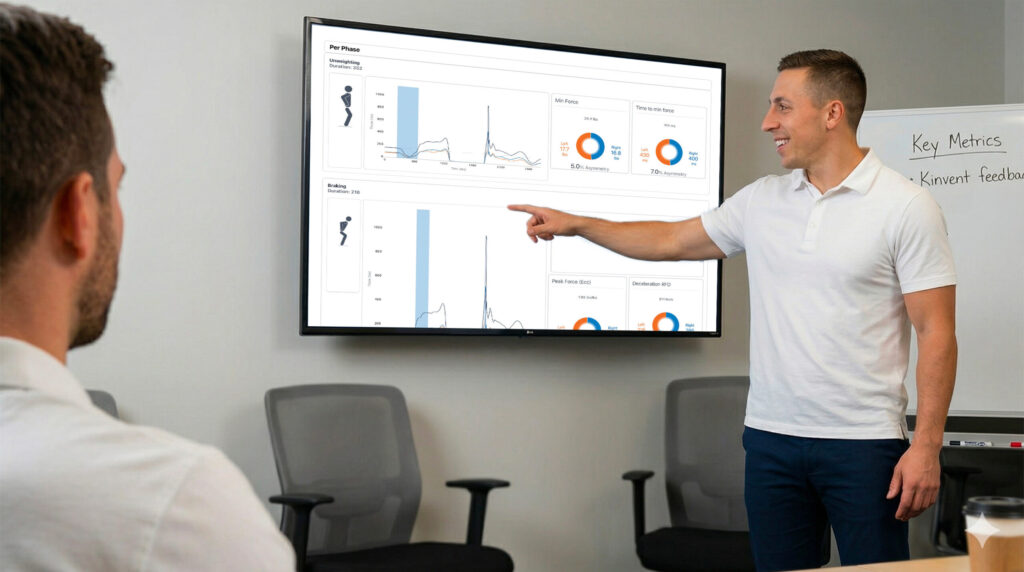
By integrating these tools into our daily practice, we moved toward a more structured, data-driven rehabilitation model. The ability to capture real-time metrics during functional testing and therapeutic exercises has enhanced both our assessment process and our treatment planning.

Across our patient population – ranging from individuals recovering from advanced surgical procedures to competitive athletes – we now rely on measurable insights to guide progression. Instead of asking, “Is this patient ready?” based on general expectations, we can now ask, “Do the data support readiness?”

This shift has made our rehabilitation approach more precise, adaptable, and individualized.

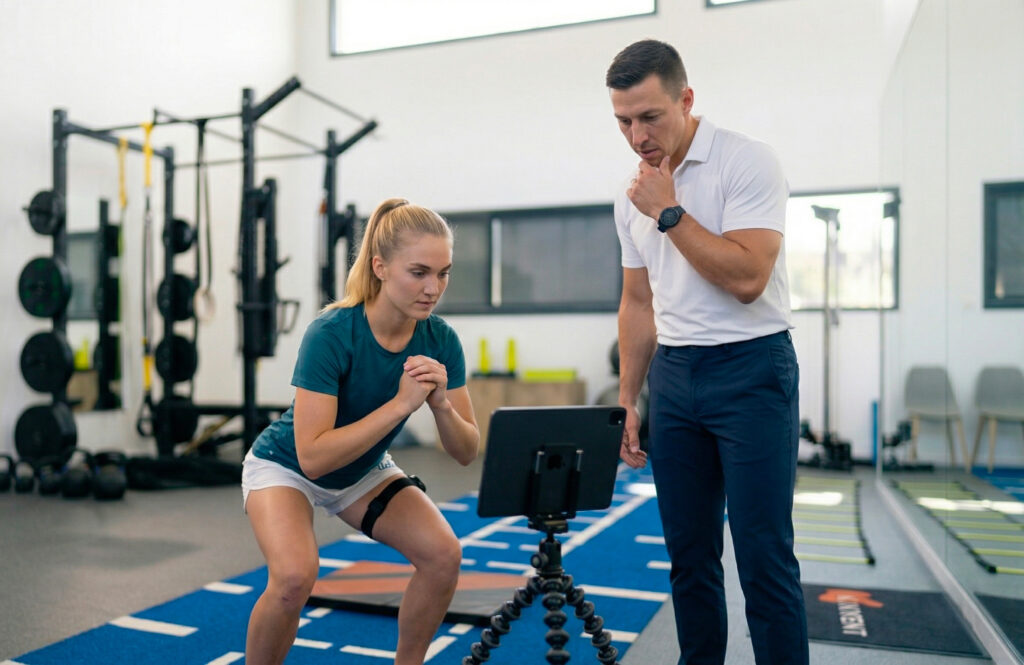
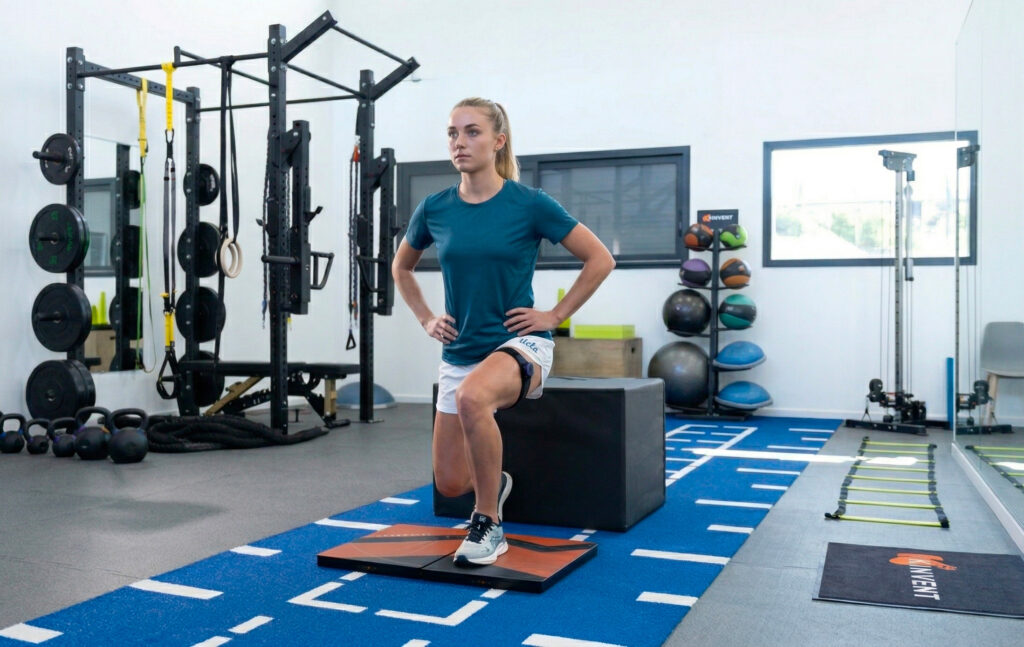
k deltas k move unipodal test young girl
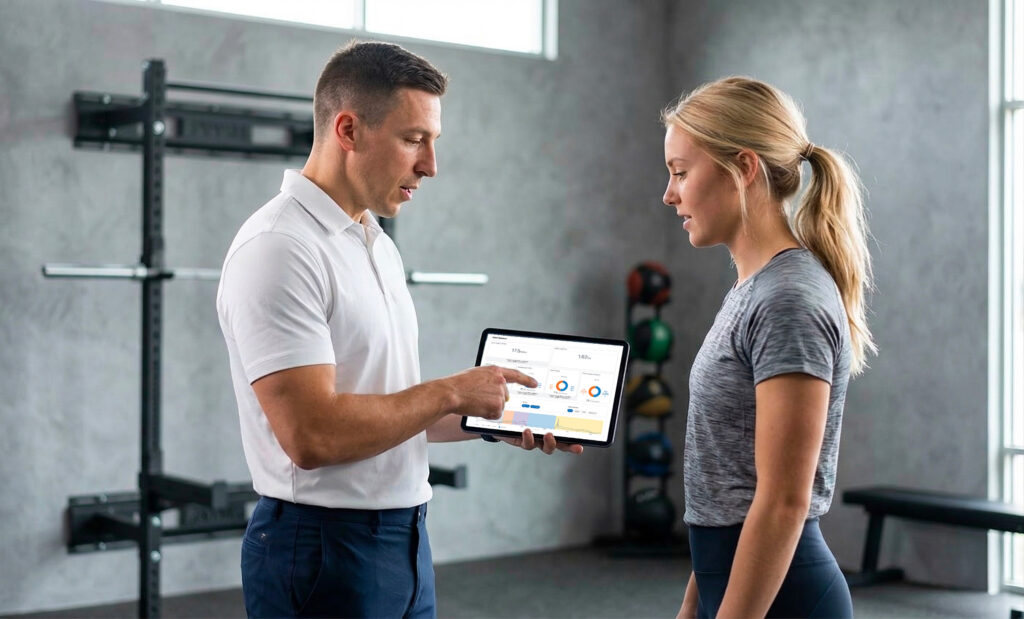
kinvent data explained. image generated with gemini

Enabling Criterion-Based Rehabilitation Through Objective Data

The most significant advantage of using Kinvent lies in its ability to support criterion-based rehabilitation.

Rather than progressing patients according to predefined timelines, we can now base our decisions on objective indicators such as:

  • Strength deficits
  • Limb symmetry indices
  • Dynamic stability
  • Functional performance metrics

These insights allow us to tailor rehabilitation programs more effectively and adjust them as patients progress.

In a high-volume orthopedic setting like ours, where patient needs vary widely, having access to reliable and actionable data ensures that treatment decisions are aligned with each individual’s condition and recovery trajectory.

This approach enhances clinical precision while also improving efficiency. It allows us to identify areas that require additional attention, detect asymmetries that may not be visible through observation alone, and ensure that rehabilitation progression is grounded in measurable readiness.

Enhancing Clinical Decision-Making in Daily Practice

In day-to-day practice, Kinvent has changed how we approach rehabilitation in subtle but meaningful ways.

The availability of objective data provides a stronger foundation for clinical decisions. It reinforces our confidence when progressing treatment plans and helps us pivot when necessary.

This is particularly valuable in complex cases where recovery is not always linear. Being able to monitor changes in strength or stability over time allows us to adapt interventions with greater clarity.

Beyond clinical decision-making, Kinvent has contributed to a broader shift in mindset within our team. Rehabilitation becomes less about approximations and more about measurable progress.

This creates a sense of consistency in care delivery and supports a more transparent approach to patient management.

explaining kinvent report. image generated using gemini
kinvent-rehab-gemini

Enhancing Patient Engagement Through Measurable Progress

From the patient perspective, the impact is equally significant.

Objective feedback helps patients better understand their progress and fosters greater engagement in the rehabilitation process. When individuals can visualize improvements in strength, balance, or movement quality, it reinforces motivation and adherence to treatment plans.

In our setting, we treat a diverse population – from post-surgical patients to high-level athletes. Across these groups, data-driven insights allow us to personalize care more effectively.

For example:

  • Monitoring limb symmetry helps guide return-to-sport decisions
  • Tracking strength deficits supports targeted interventions
  • Assessing dynamic stability informs functional readiness

These capabilities contribute to a more individualized rehabilitation experience.

Patients are not only receiving care – they are actively participating in a measurable recovery journey.

Shaping the Future of Rehabilitation Through Data-Driven Care

I would recommend Kinvent to professionals seeking to enhance the precision and adaptability of their rehabilitation practice.

In an evolving healthcare landscape shaped by data analytics, artificial intelligence, and hybrid care models, the ability to integrate objective measurement into daily workflows is becoming increasingly important.

Kinvent has helped position our clinic to embrace this transition toward data-driven rehabilitation.

It supports:

  • Evidence-based decision-making
  • Personalized treatment strategies
  • Efficient clinical workflows
  • Patient-centered care

Ultimately, Kinvent is more than a set of tools: it is an enabler of a more structured and measurable approach to rehabilitation.

As healthcare continues to evolve, solutions that combine scientific rigor with practical usability will play a key role in shaping the future of patient care.

Kinvent has become an integral part of how we strive to deliver high-quality outcomes while maintaining a compassionate and individualized approach.

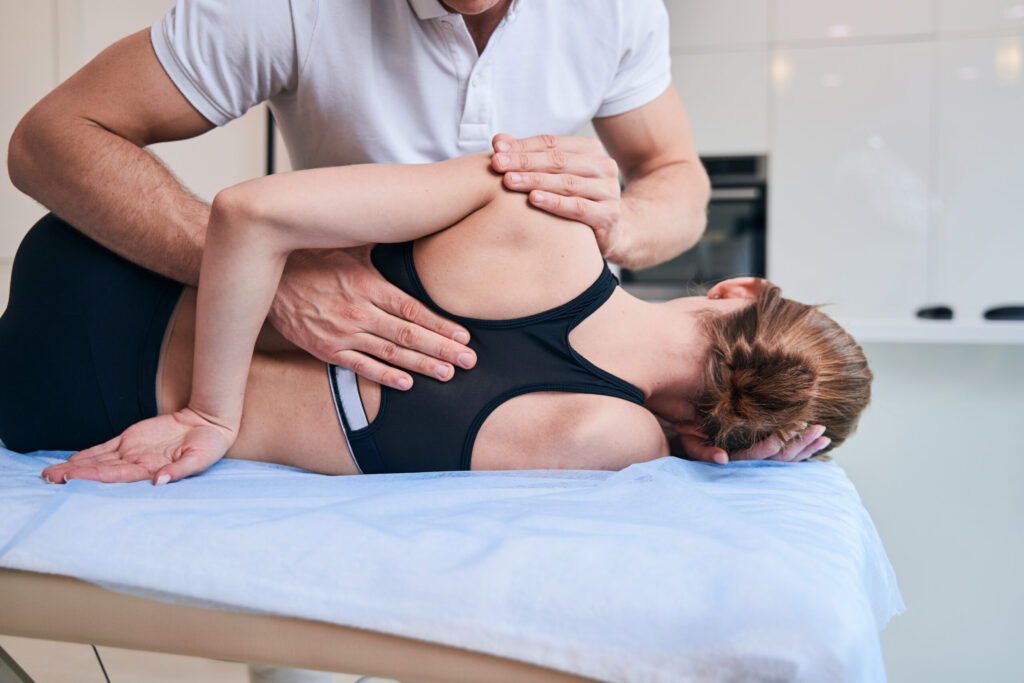
manual therapy what is it what you need to know

KEY FIGURES

Key outcomes from our integration of Kinvent into clinical practice

Reliability

1

reliability in peak force measurement

(Sit-to-Stand, relative to body weight)

Time Savings

1

minutes per evaluation session

Patient Engagement

H

patient engagement

Driven by real-time feedback

Clinical Decision-Making

S

clinical decisions

Powered by objective data

Join a global network of professionals committed to better outcomes.

Start your journey with KINVENT today – and become part of the stories shaping the future of rehabilitation and performance.

Open Close
kassandra logo

Kassandra

AI Agent