


As 2026 comes to a close, end-of-year planning for physical therapists becomes an important opportunity to reflect, learn, and prepare for the year ahead. Between professional conferences, continuing education courses, emerging technologies, and business planning, the final months of the year are the perfect time to invest in your professional growth.
Taking the time to plan helps you stay current with evidence-based practice, optimize your clinical workflow, and make informed decisions about future investments. It also ensures you’re ready to enter 2027 with clear goals and the right tools to support your patients and athletes.
In this guide to end-of-year planning for physical therapists, you’ll discover the must-attend conferences, continuing education opportunities, and practical tips to help you finish 2026 strong and prepare for a successful 2027.
CONTENTS
1- Must-Attend Physical Therapy Conferences in Late 2026
2- Continuing Education Opportunities to Prioritize in 2026
3- How to Prepare for the End of 2026
4- FAQ: End-of-Year Planning for Physical Therapists
1- Must-Attend Physical Therapy Conferences in Late 2026
The final months of the year offer numerous opportunities for physical therapists, sports physical therapists, strength coaches, and sport scientists to expand their knowledge, connect with peers, and discover the latest innovations in rehabilitation and performance.
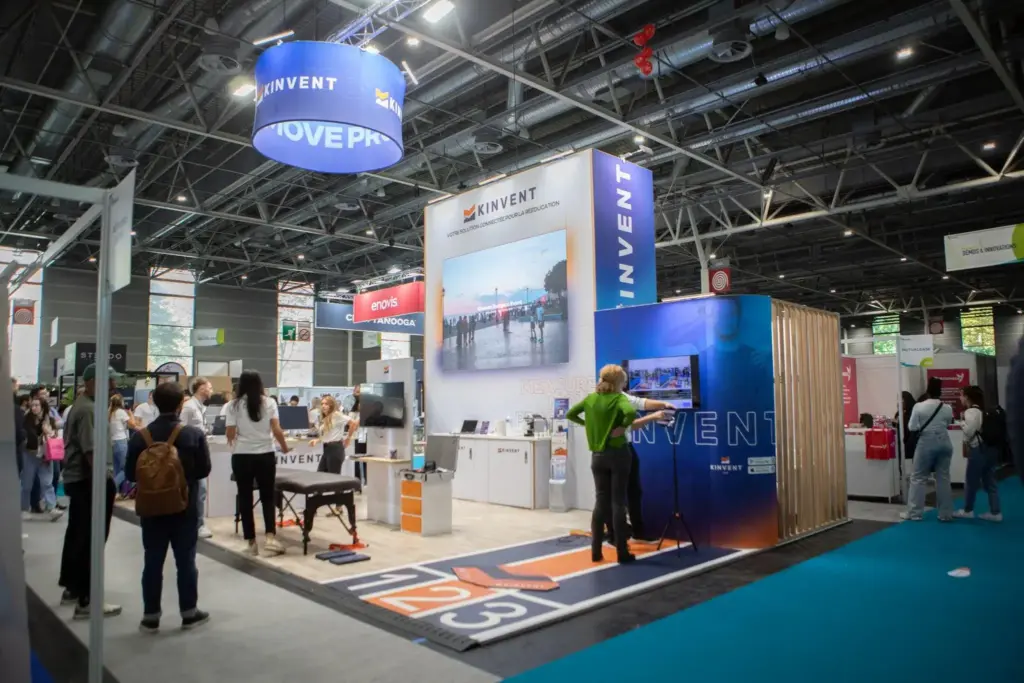
Save These Events to Your Calendar
September
🇺🇸 United States
FPTA Annual Conference & Assembly of Representatives — Orlando, FL (September 17–20, 2026)
October
🇮🇹 Italy
NSCA Global Conference — Verona (October 23–25, 2026)
November
🇺🇸 United States
APTA Private Practice Annual Conference (PPS) (November 11–14, 2026)
🇬🇧 United Kingdom
Therapy Expo — NEC Birmingham (November 25–26, 2026)
Why Attend These Events?
Attending professional conferences is about much more than earning continuing education credits. These events allow you to:
- stay up to date with the latest research and clinical guidelines;
- discover innovative rehabilitation and performance technologies;
- learn directly from leading clinicians and researchers;
- connect with other healthcare and sports professionals;
- explore new assessment and treatment approaches you can apply in your daily practice.
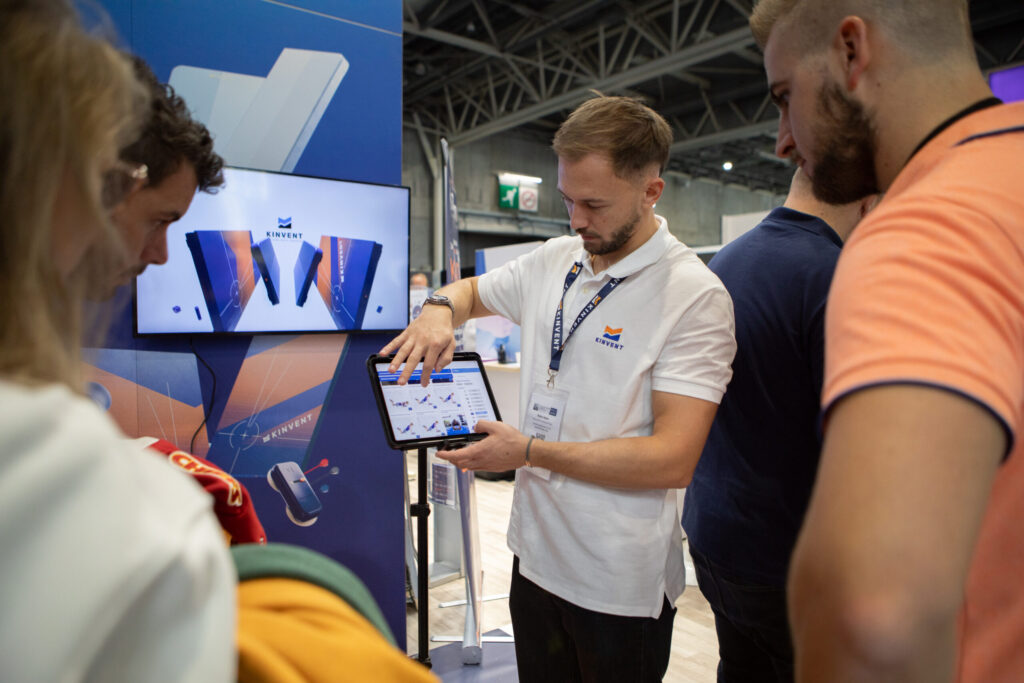
Every year, the Kinvent team attends many of these conferences to showcase the latest innovations in objective assessment, functional testing, and performance analysis. They’re also a great opportunity to meet our experts, experience our technologies firsthand, and discuss real-world clinical applications.
💡 Attending a conference this year? Check out our guide on how to maximize your conference experience, build meaningful professional connections, and turn what you learn into everyday clinical practice.
2- Continuing Education Opportunities to Prioritize in 2026
The end of the year is the perfect time to invest in your continuing education. As research evolves, technology advances, and patient expectations continue to grow, ongoing learning is essential to delivering high-quality, evidence-based care.
Objective Assessment and Data-Driven Decision Making
Objective assessment has become a cornerstone of modern rehabilitation. Learning how to perform standardized testing, interpret clinical data, and monitor patient progress can improve clinical decision-making while making outcomes more measurable for both clinicians and patients.
Courses focused on functional testing, force assessment, movement analysis, and return-to-sport decision-making are increasingly valuable for clinicians working in both rehabilitation and performance settings.
Tools such as connected dynamometers, force plates, motion sensors, and surface EMG systems from Kinvent support this evidence-based approach by providing reliable and reproducible data throughout the rehabilitation journey.
Musculoskeletal Rehabilitation and Return to Sport
Musculoskeletal rehabilitation and return-to-sport remain among the most popular continuing education topics for physical therapists.
Organizations such as APTA Learning Center, MedBridge, Institute of Clinical Excellence (ICE), Evidence In Motion (EIM), and NSCA Education offer courses covering orthopedic rehabilitation, injury prevention, sports rehabilitation, clinical reasoning, and performance optimization. These programs help clinicians stay aligned with current evidence while expanding their practical skills.
AI and Rehabilitation Technology
Artificial intelligence and connected technologies are becoming valuable tools in modern rehabilitation. They help clinicians save time, improve data interpretation, and deliver more personalized care.
For example, Kassandra AI, Kinvent’s intelligent assistant, supports clinicians throughout their workflow. Beyond interpreting assessment results, generating clinical comments, and suggesting evidence-based protocols, Kassandra AI can also answer questions about the Kinvent ecosystem, explain biomechanics concepts, and recommend the most appropriate tests or Kinvent solutions for a wide range of clinical and performance scenarios.
💡 Learn more about Kassandra AI:
3- End-of-Year Planning for Physical Therapists: How to Prepare for 2027
Successful end-of-year planning for physical therapists goes beyond attending conferences or earning CEUs. It also means reviewing your clinical practice, planning future investments, and setting professional goals for the coming year. A few strategic steps can help you finish 2026 with confidence and set yourself up for success in 2027.
Review the Past Year
Before setting new goals, take time to evaluate the past year. Which patient populations did you treat most frequently? Which interventions produced the best outcomes? Where do you see opportunities to improve your clinical practice?
Reflecting on these questions can help identify your strengths while highlighting areas for future growth.
Set Professional Development Goals
The end of the year is an ideal time to establish clear objectives for the coming year. Whether your goal is to earn a new certification, specialize in a clinical area, integrate objective assessment into your workflow, or strengthen collaboration with other healthcare professionals, having defined goals will help guide your continuing education choices.
Update Your Assessment Protocols
Clinical guidelines and best practices continue to evolve. Reviewing your assessment protocols is an excellent way to ensure your evaluations remain standardized, evidence-based, and aligned with current recommendations.
Objective measurement tools also make it easier to monitor patient progress over time, compare outcomes, and support clinical decision-making with reliable data.
Optimize Your Equipment and Technology
The end of the year is also a good time to evaluate whether your equipment still meets the needs of your patients and your clinical practice.
Technologies such as connected dynamometers, force plates, motion sensors, and surface EMG systems from Kinvent provide objective data that enhances patient assessments, tracks progress more accurately, and supports evidence-based clinical decisions.
Stay Ahead of Emerging Trends
Objective assessment, artificial intelligence, personalized rehabilitation, data-driven return-to-sport decisions, and hybrid models of care are shaping the future of physical therapy.
Understanding these trends helps clinicians stay current, meet evolving patient expectations, and gradually integrate new technologies into everyday practice.
💡 Explore our article on the top physical therapy trends shaping 2026 to learn how these innovations are transforming clinical practice.
Plan Your Budget and Investments for 2027
The end of the year is the ideal time to review your clinic’s financial goals and prepare your budget for the year ahead. Consider upcoming investments in continuing education, rehabilitation technology, software subscriptions, and clinical equipment that can improve patient outcomes and practice efficiency.
Planning also provides an opportunity to evaluate the return on investment of your current tools, prioritize future purchases, and align your spending with your long-term professional and business goals. A clear financial plan makes it easier to enter 2027 with confidence and continue growing your practice.
4- FAQ: End-of-Year Planning for Physical Therapists
Which physical therapy conferences should I attend in late 2026?
Several major events take place during the final months of 2026, including the FPTA Annual Conference & Assembly of Representatives, the NSCA Global Conference, the APTA Private Practice Annual Conference (PPS), and Therapy Expo. These conferences provide valuable opportunities to earn continuing education credits, learn from industry experts, explore the latest rehabilitation technologies, and expand your professional network.
Why should physical therapists attend professional conferences?
Professional conferences help clinicians stay current with the latest research, clinical guidelines, and emerging technologies. They also offer hands-on workshops, networking opportunities, and practical strategies that can be applied directly in clinical practice.
What continuing education courses should physical therapists prioritize in 2026?
Courses focused on objective assessment, musculoskeletal rehabilitation, return to sport, clinical reasoning, rehabilitation technology, and artificial intelligence are among the most valuable areas for professional development. Organizations such as APTA Learning Center, MedBridge, Institute of Clinical Excellence (ICE), Evidence In Motion (EIM), and NSCA Education offer a wide range of evidence-based continuing education programs.
What should end-of-year planning for physical therapists include?
Reviewing your clinical goals, updating assessment protocols, planning your continuing education, evaluating your equipment, and preparing your budget for the coming year are all important steps. Taking time to reflect and plan helps position your practice for long-term success.
What technologies can improve objective patient assessment?
Connected dynamometers, force plates, motion sensors, digital goniometers, and surface EMG systems provide objective measurements of strength, balance, mobility, and muscle activity. These technologies support evidence-based decision-making while making patient progress easier to quantify and communicate.
Are connected assessment tools worth investing in?
Yes. Connected assessment technologies help standardize testing, monitor patient progress over time, improve documentation, and support more informed clinical decisions. They also enhance patient engagement by making progress measurable and easier to understand.
How do I choose the right continuing education course?
Choose courses that align with your patient population, clinical interests, and long-term career goals. Prioritize evidence-based programs taught by experienced clinicians that provide practical skills you can immediately implement in your practice.
Can artificial intelligence support physical therapists?
Yes. AI should be viewed as a clinical support tool rather than a replacement for clinical expertise. Solutions such as Kassandra AI can help interpret assessment results, suggest evidence-based protocols, answer questions about biomechanics or the Kinvent ecosystem, and streamline everyday clinical workflows, allowing clinicians to spend more time focused on patient care.


