


Patient retention in physical therapy plays a critical role in both rehabilitation outcomes and clinic success. When patients remain engaged throughout their treatment plan, they are more likely to achieve their functional goals, adhere to prescribed exercises, and experience better long-term results.
Despite the best efforts of physical therapists, some patients discontinue care before completing rehabilitation. Progress may feel slow, motivation can fluctuate, and patients do not always understand the purpose or value of continuing treatment. Improving patient retention in physical therapy, therefore, requires more than clinical expertise alone; it requires effective communication, patient engagement, and a clear demonstration of progress.
Fortunately, several practical strategies can help physical therapists keep patients motivated and committed throughout their rehabilitation journey. From setting expectations early to making progress visible and maintaining engagement between visits, small changes can have a significant impact on retention rates.
In this article, we’ll explore 7 tips to improve patient retention in physical therapy, strengthen patient engagement, and support better clinical outcomes.
CONTENTS
1- Why Patient Retention Matters in Physical Therapy
2- Why Patients Stop Attending Physical Therapy
3- Tips 1: Set Clear Expectations from Day One
4- Tips 2: Build Trust Through Better Communication
5- Tips 3: Make Progress Visible with Objective Measurements
6- Tips 4: Personalize the Rehabilitation Journey
7- Tips 5: Increase Patient Engagement
8- Tips 6: Book the Next Appointment Before the Patient Leaves
9- Tips 7: Build a Reactivation Workflow for Inactive Patients
10- FAQ: Patient retention in physical therapy
1- Why Patient Retention Matters in Physical Therapy
Patient retention in physical therapy is important to rehabilitation success. Patients who complete their treatment plans are more likely to achieve their functional goals, return to daily activities, and reduce their risk of re-injury.
Beyond clinical outcomes, strong patient retention can also contribute to higher patient satisfaction, more referrals, and a more sustainable practice. When patients remain engaged throughout their rehabilitation journey, both the patient and the clinician benefit.

2- Why Patients Stop Attending Physical Therapy
Patients may discontinue physical therapy for many reasons. Some become discouraged when progress feels slow, while others struggle to fit appointments into their schedules or lose motivation between sessions.
Common reasons patients stop attending physical therapy include:
- Lack of visible progress
- Low motivation
- Unclear expectations
- Scheduling challenges
- Poor communication
- Limited accountability
The good news is that many of these barriers can be addressed through a few intentional changes in the patient experience.
3- Tips 1: Set Clear Expectations from Day One
Patient retention in physical therapy often begins during the very first visit. When patients understand what to expect from rehabilitation, they are more likely to stay committed throughout the process.
One of the most common reasons patients become disengaged is a mismatch between expectations and reality. Some expect pain to disappear after only a few sessions, while others may underestimate the time and effort required to achieve meaningful improvements.
To set patients up for success, consider discussing the following during the initial evaluation:
- The patient’s short- and long-term goals
- The expected timeline for recovery
- The number and frequency of visits that may be required
- The role of home exercises and self-management
- Potential challenges or setbacks that may arise during rehabilitation
Setting realistic expectations early helps patients understand that progress is often gradual rather than linear. It also reinforces the value of staying engaged even when improvements seem small.
Another effective strategy is to establish measurable milestones throughout the rehabilitation journey. Breaking treatment into smaller, achievable goals can help patients recognize progress and maintain motivation.
When physical therapy patients know what they’re working toward and understand how they’ll get there, they are more likely to stay engaged and complete their treatment plan.
4- Tips 2: Build Trust Through Better Communication
Trust is one of the strongest predictors of patient engagement and long-term adherence. Patients are more likely to attend appointments, follow recommendations, and remain committed to rehabilitation when they feel heard, understood, and supported.
Effective communication goes beyond explaining exercises or discussing symptoms. It involves creating a collaborative relationship where patients feel actively involved in their care.
To strengthen trust throughout the rehabilitation process:
- Listen actively to patient concerns, goals, and expectations
- Use clear, simple language when explaining diagnoses and treatment plans
- Encourage patients to ask questions and participate in decision-making
- Regularly discuss progress, challenges, and next steps
- Address concerns early before they become barriers to treatment adherence
Patient education also plays an important role in retention. When patients understand why they are performing specific exercises and how these interventions support their recovery, they are often more motivated to stay engaged.
Even small communication habits can make a difference. Following up after a difficult session, checking in about symptoms, or acknowledging a patient’s efforts can help strengthen the therapeutic alliance and improve the overall patient experience.
Ultimately, patients who trust their physical therapist are more likely to remain engaged, adhere to their treatment plan, and complete their rehabilitation journey.
5- Tips 3: Make Progress Visible with Objective Measurements
One of the most common reasons patients lose motivation during rehabilitation is that they don’t always feel their progress. Improvements in strength, balance, mobility, or function can be gradual, making it difficult for patients to recognize how far they have come.
This is where objective measurements can play a valuable role in patient retention in physical therapy. By providing clear, measurable data, physical therapists can help patients see progress that may not yet be obvious in daily life.
Depending on the patient’s condition and goals, objective assessments may include:
- Strength testing
- Range of motion measurements
- Balance assessments
- Functional performance tests
- Neuromuscular evaluations
Regular reassessments allow clinicians to compare results over time and demonstrate meaningful improvements. Even small gains can help reinforce patient confidence and maintain motivation throughout the rehabilitation journey.
💡 How Kinvent Helps Make Progress Visible

Connected assessment tools can make objective measurement easier to integrate into daily practice. For example, Kinvent’s ecosystem enables clinicians to quantify and track key rehabilitation metrics using:
- K-Push and K-Pull for strength assessment
- K-Force Plates for balance and functional performance testing
- K-Move for range of motion evaluation
- K-Myo for muscle activation assessment
- Kassandra AI for report analysis
All data is centralized within the Kinvent App, allowing clinicians to monitor progress over time, compare results across assessments, and generate easy-to-understand reports.
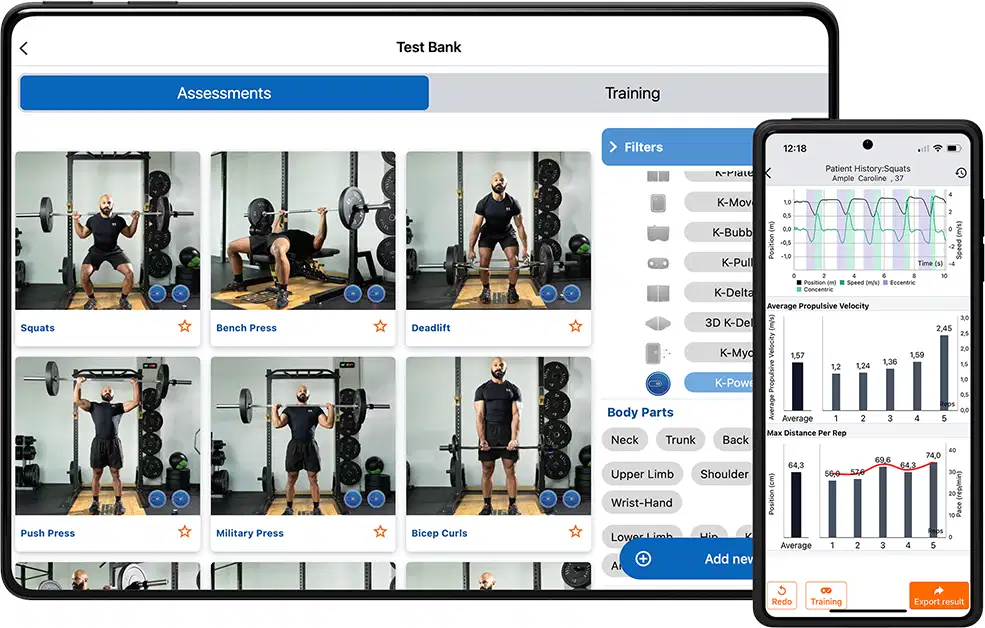
When patients can see objective evidence of their improvement, rehabilitation becomes more tangible. Instead of relying solely on subjective perceptions, they can clearly visualize their progress, which can help increase engagement, strengthen adherence, and improve patient retention throughout the course of care.
6- Tips 4: Personalize the Rehabilitation Journey
No two patients are exactly alike. Even when treating the same condition, factors such as age, activity level, lifestyle, goals, and motivation can significantly influence the rehabilitation process.
A personalized approach helps patients feel that their treatment plan is designed specifically for them rather than following a generic protocol. This can strengthen engagement, improve satisfaction, and support better long-term adherence.
There are several ways physical therapists can personalize the rehabilitation journey:
- Set goals that align with the patient’s individual priorities
- Adapt exercises to the patient’s abilities and preferences
- Consider work, sport, and lifestyle demands when designing treatment plans
- Adjust rehabilitation milestones based on progress and recovery rate
- Involve patients in treatment decisions whenever appropriate
Personalization also requires flexibility. As patients progress, their needs and objectives may evolve. Regularly reviewing goals and updating the treatment plan can help ensure rehabilitation remains relevant and meaningful.
For example, a recreational runner may be motivated by returning to a 5K race, while an older adult may simply want to walk confidently without pain. Although both patients may present with similar impairments, their rehabilitation goals, and therefore their motivation drivers, are very different.
When patients feel that their care is tailored to their specific needs and goals, they are more likely to stay engaged, participate actively, and complete their rehabilitation program.
7- Tips 5: Increase Patient Engagement
Patient engagement extends beyond in-clinic sessions. Keeping patients involved throughout their rehabilitation journey can improve adherence, motivation, and patient retention in physical therapy.
Several strategies can help patients stay engaged between visits:
- Provide clear and realistic home exercise programs
- Educate patients about their condition, recovery timeline, and treatment goals
- Follow up regularly to answer questions and address concerns
- Create accountability through short-term goals and progress reviews
- Encourage active participation in the rehabilitation process
It’s also important to celebrate small wins throughout rehabilitation. Improvements in strength, mobility, function, or pain levels may seem minor from a clinical perspective, but they can be highly motivating for patients. Recognizing these milestones helps reinforce progress, build confidence, and remind patients that their efforts are paying off.
The more engaged patients feel in their recovery, the more likely they are to remain committed to their treatment plan and achieve their rehabilitation goals.
8- Tips 6: Book the Next Appointment Before the Patient Leaves
A simple way to improve patient retention in physical therapy is to schedule the next appointment before the patient leaves the clinic.
When patients delay scheduling, busy schedules and competing priorities can create gaps in care that may lead to disengagement.
Booking follow-up visits in advance can help:
- Maintain continuity of care
- Reduce missed appointments
- Reinforce commitment to the treatment plan
- Keep rehabilitation progressing as planned
While simple, this habit can play an important role in improving treatment adherence and keeping patients engaged throughout their rehabilitation journey.
9- Tips 7: Build a Reactivation Workflow for Inactive Patients
Not every patient who stops attending physical therapy is lost forever. In many cases, patients simply become busy, lose motivation, or feel they no longer need treatment.
A structured reactivation workflow can help reconnect with these patients and encourage them to resume care when appropriate.
Consider creating follow-up touchpoints at key intervals:
- 30 days: Send a check-in message to ask how they’re doing and whether they have any questions or concerns.
- 60 days: Share educational content, injury prevention tips, or resources related to their condition.
- 90 days: Invite the patient for a reassessment or progress review to evaluate their current status and discuss next steps.
These follow-ups help maintain the relationship beyond the initial treatment plan and demonstrate ongoing support. Even if a patient doesn’t return immediately, staying connected can increase the likelihood that they will come back when they need care in the future.
10- FAQ: Patient Retention in Physical Therapy
Why is patient retention important in physical therapy?
Patient retention in physical therapy is important because patients who complete their rehabilitation programs are more likely to achieve meaningful improvements in function, mobility, strength, and overall quality of life. It can also contribute to higher satisfaction and stronger long-term relationships with the clinic.
Why do patients stop attending physical therapy?
Patients may discontinue physical therapy for several reasons, including a lack of visible progress, low motivation, scheduling conflicts, unclear expectations, financial concerns, or poor communication. Addressing these barriers early can help improve retention.
How can physical therapists improve patient retention?
Physical therapists can improve patient retention by setting clear expectations, building trust through communication, personalizing treatment plans, tracking progress objectively, encouraging patient engagement, and maintaining regular follow-up throughout rehabilitation.
How do objective measurements improve patient retention in physical therapy?
Objective measurements help patients see tangible evidence of their progress. Tracking improvements in strength, range of motion, balance, or function can increase motivation, reinforce adherence, and encourage patients to stay committed to their rehabilitation program.
Why is patient engagement important during rehabilitation?
Patient engagement encourages individuals to take an active role in their recovery. Engaged patients are generally more likely to follow home exercise programs, attend appointments consistently, and achieve better rehabilitation outcomes.
Should physical therapists schedule the next appointment before patients leave?
Yes. Scheduling follow-up visits before patients leave the clinic can help maintain continuity of care, reduce missed appointments, and keep rehabilitation progressing according to plan.


